4 Reasons Why You Should Hire a Data Analyst
Good day, everyone! This is Jordan from SnapStack Solutions, and I\’m here every week to offer the latest news and interesting stories about what\’s going on in the tech industry. Before I begin this week\’s article, I\’d want to wish you a joyful and prosperous year filled with health, love, and compassion. May 2023 be your most successful year yet!


Good day, everyone! This is Jordan from SnapStack Solutions, and I\’m here every week to offer the latest news and interesting stories about what\’s going on in the tech industry. Before I begin this week\’s article, I\’d want to wish you a joyful and prosperous year filled with health, love, and compassion. May 2023 be your most successful year yet! 😊
A data analyst gathers, cleans, and evaluates data sets to answer questions or solve problems. They work in a variety of fields such as business, finance, criminal justice, science, medicine, and government.
What types of clients should a company target in its next advertising campaign? What age group is most susceptible to a specific disease? What behavioral patterns are associated with financial fraud?
These are the kinds of questions you might be asked as a data analyst. Continue reading to learn more about what a data analyst is, what skills you\’ll need, and how you can get started on the path to becoming one.
What exactly is data analysis?
The practice of extracting insights from data to make better business decisions is known as data analysis. The analysis of data typically proceeds through five iterative stages:
- Determine the data that will be analyzed.
- Gather the information
- Clean the data before analyzing it.
- Examine the data
- Analyze the results and interpret them
Data analysis might take various shapes depending on the question you\’re attempting to answer. In a nutshell, descriptive analysis tells us what happened, diagnostic analysis tells us why it happened, predictive analytics generates future projections, and prescriptive analysis generates practical advice on what actions to take.
Data analyst roles and responsibilities
A data analyst is someone whose goal is to collect and analyze data to solve a specific problem. The job requires a lot of time spent with data, but it also requires communicating discoveries.
Daily, many data analysts do the following:
Data collection: Analysts frequently acquire data on their own. Conducting surveys, tracking visitor characteristics on a firm website, or purchasing datasets from data-collecting professionals could all fall under this category.
Clean data: Raw data may contain duplicates, mistakes, or outliers. Cleaning the data is keeping the quality of data in a spreadsheet or computer language so that your interpretations are neither incorrect nor skewed.
Model data requires constructing and designing database structures. You might decide what sorts of data to retain and gather, how data categories are related to one another, and how the data will display.
Data interpretation entails identifying patterns or trends in data that may provide an answer to the subject at hand.
Present: Communicating the outcomes of your research will be an important component of your profession. You accomplish this by creating visualizations such as charts and graphs, generating reports, and presenting information to interested parties.
What tools are used by data analysts?
Analysts frequently employ a wide range of tools to improve the accuracy and efficiency of their work during the data analysis process. The following are some of the most commonly used tools in the data analytics industry:
- Microsoft Excel
- Google Sheets
- SQL
- Tableau
- R or Python
- SAS
- Microsoft Power BI
- Jupyter Notebooks
Technical skills of a data analyst
Database tools: Microsoft Excel and SQL should be staples in the toolbox of any data analyst. While Excel is commonly used across industries, SQL can handle larger data sets and is usually recognized as a must-have tool for data analysis.
Programming languages: Learning a statistical programming language, such as Python or R, can allow you to work with enormous amounts of data and solve complicated equations. Though Python and R are two of the most popular, it\’s a good idea to look at numerous job descriptions for a career you\’re interested in to see which language will be most useful in your field.
Data visualization: Being a good data analyst requires you to present your findings clearly and compellingly. Knowing how to best communicate information using charts and graphs can ensure that your work is understood by colleagues, employers, and stakeholders. Among the various programs used to create graphics are Tableau, Jupyter Notebook, and Excel.
Statistics and math: Understanding the fundamentals underlying what data tools accomplish will greatly benefit your business. A thorough understanding of statistics and math can help you select which techniques are appropriate to utilize to solve a specific problem, identify mistakes in your data, and gain a better understanding of the results.
4 Reasons Why You Should Hire a Data Analyst
Recognizing your demographic
Understanding client patterns and demographics is critical to success no matter what your company sells, manufactures, or creates.
Everything from your website to your social feeds and client database will be brimming with fascinating data that, when properly analyzed, can aid in understanding your target audience and their behaviors. You can then personalize services and product launches to certain groups, resulting in higher sales.
Evidence-based decision-making
Before making a major choice, every decision-maker in your company should have access to data.
Decisions in some large organizations can take weeks, but decisions can be made faster in smaller or more agile enterprises. A data analyst can often streamline the decision-making process by analyzing, extracting, and presenting to decision-makers a clear collection of data obtained from numerous sources.
Retest and test again
Data analysts eliminate the \”what ifs\” from corporate decisions.
They can harvest and analyze information to ensure that the correct path is taken and test to discover which outcomes would be more valuable to the organization.
They will track metrics connected to significant changes so that when the decision-making process is complete, there will be no mistakes or costly blunders.
Proactive
Every company has employees who are short on time.
While you may have every intention of implementing techniques, CRM programs, and loyalty marketing, few people have the time to do so.
A data analyst will be on hand to define, design, and maintain these types of tools and analytics proactively, while also providing team recommendations and assisting colleague employees with data tracking and analysis.
Several resources on SnapStack’s team who are Data Analysts are eager to give the best solutions. If you require such resources, please contact us at contact@snapstack.cz or through our social media channels.
Enjoy the rest of your week.
Read more

iOS 26 launch: what it means for technology and talent

Would you rather work with SwiftUI or UIKit?

Why Using Next.js Is the Best Way to Benefit from React?

Why Staying Current With Technology as Programmer is Essential?

Why Isn't Blockchain Getting The Attention It Deserves?

Why Every Serious Flutter App Needs a Root Screen
Which Is Better For 2022: Kotlin or Java?

What is Atomic Design System Methodology?

What are the Benefits of Using WPF?

What are NFTs and How May They Help Your Business Stay Relevant?

What Is a Self-Healing Software and What Are the Main Principles?
What Is Web3 Technology, How Does It Work, Benefits

What Is JavaScript: Pros, Cons & Use Cases

What Is Digital Transformation Strategy: Everything You Need To Know

What IT talents should highlight on CV

What Digital Transformation in Manufacturing Means for Your Business

What Are the Benefits of Using .NET for Game Development?
What Are Web3 Apps: How Are They Changing Our Daily Lives

What Are Smart Contracts and How Can They Transform Your Firm?
Web3 Technologies: Top Three Technologies Powering the Internet of Tomorrow
Web3 Benefits: How The New Internet Is Improving Our Lives

Web2 vs. Web3: How They Compare
Web 3.0 Benefits and Drawbacks
Transform Your Workflow with Human-AI Collaborations

Top Seven Machine Learning Applications in 2024
Top Five React Libraries of 2024 That Will Take Your Project to The Next Level
Top Five Blockchain Use Cases: Transforming Industries Beyond Cryptocurrency

Top 9 Data Warehousing Trends to Watch This Year

Top 5 Nearshoring Trends for 2021

Top 10 programming languages for 2025: What’s hot and why

Three Groundbreaking AI Trends Redefining the Future

The shift towards skills-based hiring: A new era of talent acquisition
.png)
Generative AI's game-changing potential for virtual meetings

The Ultimate Guide to 15+ Types of Digital Transformation Models: What They Are, Why You Need Them & How To Choose the Right One

The Top Trends in 2022 for Outsourcing Practices

The Top 5 Issues That New Programmers Face
The Role of Digital Transformation in Finance Industry Evolution
The Ins and Outs of AI In Strategic Planning: A Guide for Executives

The Four Principles of Object-Oriented Programming

The Benefits of Smart Contracts: A New Era of Trust and Transparency

The AI Surge in Tech Hiring and Recruiting
The A-Z of Digital Transformation in Banking Industry
Ten QA Testing Best Practices That Make All the Difference

TechBBQ 2024: SnapStack takes ‘One Giant Leap’ into the heart of innovation
Swift vs. Objective-C: Which is Better to Choose?

Streamline your recruitment efforts with RPO: The key to efficiency and cost-effectiveness

ServiceNow - What Is It and Why Do We Use It?

SW Development Challenges in 2022 and How to Solve Them
Real-World Examples of Blockchain in Action & The Benefits It Brings to Different Industries
ROI of Digital Transformation: A Step-by-Step Guide to Measuring & Maximizing Your Digital Investments

Quantum Computing: Current Status and Future Prospects
QA Testing: Definition, Importance, Types, Best Practices & Common Challenges

Python Trends to Watch for in 2022

Pros and Cons of Microsoft Azure

North Macedonia: Facts and Figures

Multimodal AI Models: The Latest Craze in the AI Domain

Most Popular Java Frameworks to Watch in 2023
Malware Types and How to Avoid Them

Main Advantages of ASP.NET for Web Applications in 2022

Let’s Meet and Talk: Where to Find Us in 2025
Key Digital Transformation Goals for Modern Businesses: Drive Customer Experience, Boost Productivity, and Achieve Market Domination

Keep an eye out for this technology in 2023
Is Rust the Future?

IoT in Retail: Why 70% of Retailers Are Considering IoT Adoption
IoT in Manufacturing: A $3.7 Trillion Economic Impact by 2025

IoT in Healthcare: What It Is, How It's Used, Its Importance & Vulnerabilities
IoT in Customer Service: The Future of Support
.png)
Innovation that protects workers
How To Set Digital Transformation Goals that Yield Results
How To Integrate AI for Financial Forecasting: The Ultimate Guide for CFOs
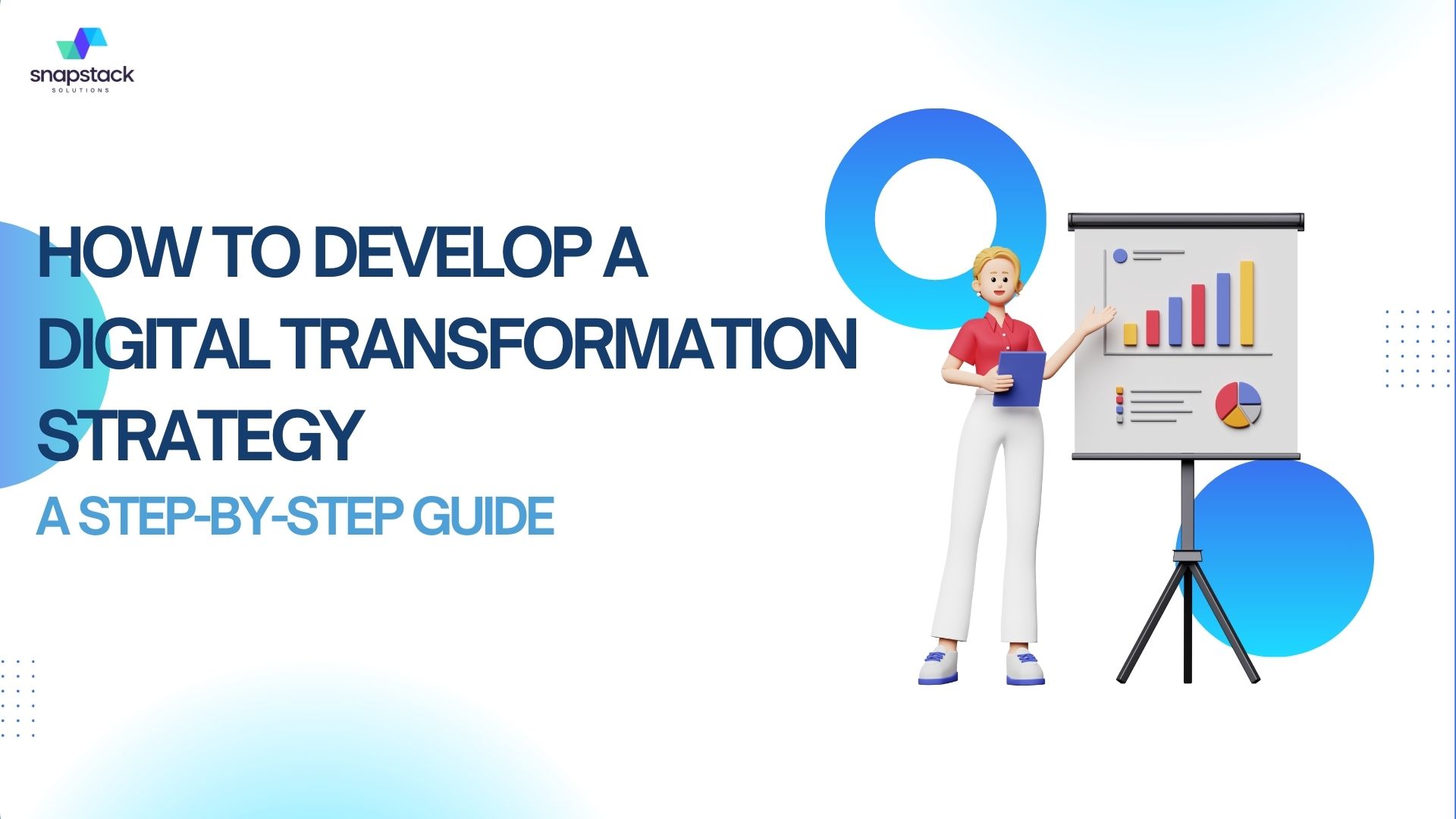
How To Develop a Digital Transformation Strategy: The Ultimate Guide

How To Accelerate Digital Transformation & Get the Best Results, Fast

How Is Blockchain Reshaping the Gaming Industry?

How IT Consulting Paves the Way for Digital Transformation
.png)
Gen Z Contractors in 2025: It's Not Just About the Perks

How Do Smart Contracts Work: Step-By-Step Explanation

How Digital Transformation in Retail is Shaping the Future of Shopping Experiences

How Did Python Become So Popular?
How Blockchain Is Revolutionizing Supply Chain Processes
How AI in Financial Forecasting Can Revolutionize CFO Decision-Making
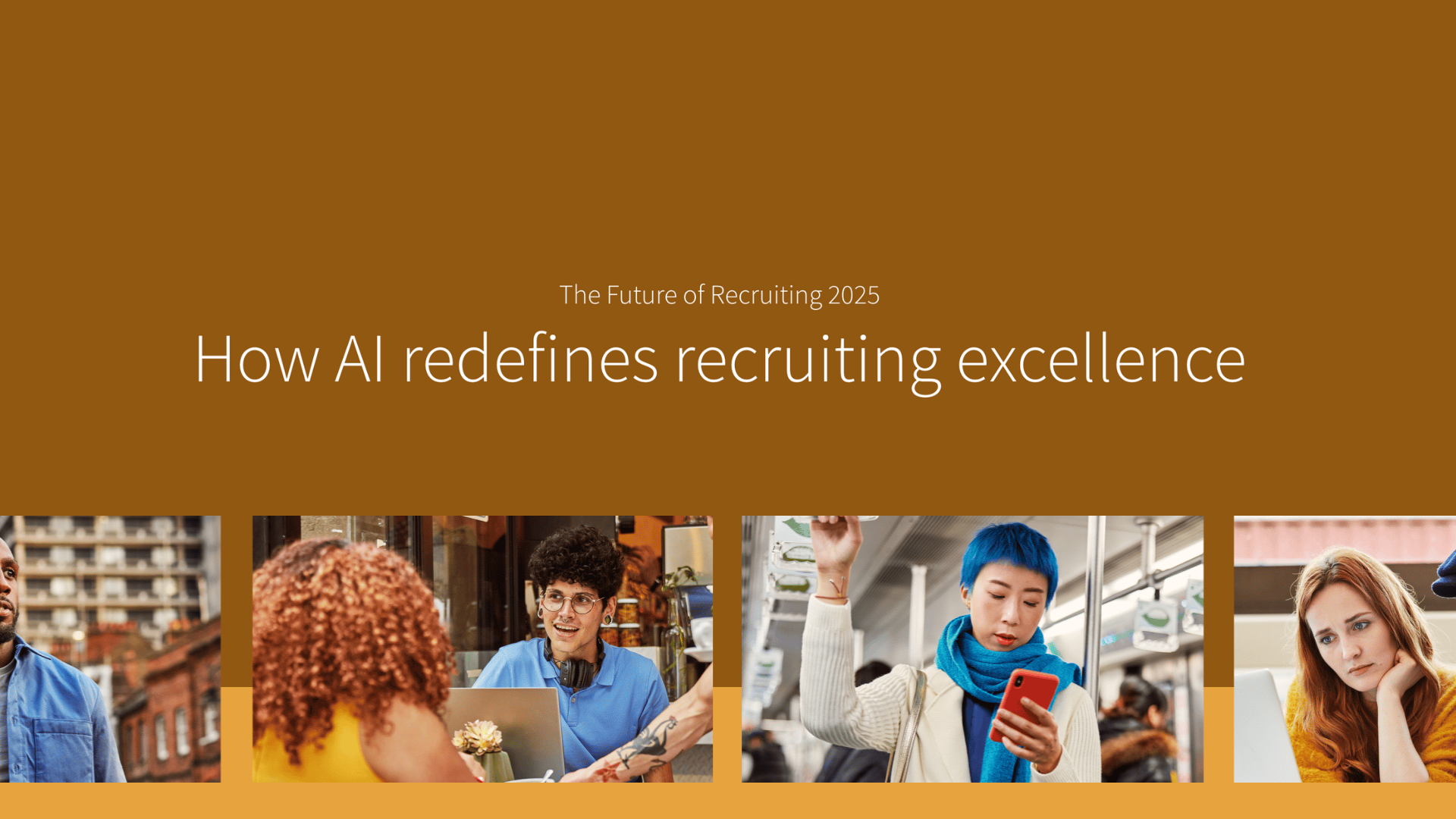
How AI Is Redefining Recruiting Excellence: Insights from LinkedIn’s 2025 Report

Greenfield vs. Brownfield Software Development & Which One to Choose

Gen AI Integration: A Detailed Guide for CIOs and Business Leaders

Future Unlocked-The Role of Human Augmentation in our Lives
Flutter in 2022 - Pros and Cons

Five Applications of IoT That Will Convince You Of Its Potential to Change the Way Business Is Done

Finding the Right Resourcing Model for Your Business
Examples of Digital Transformation That Will Nudge You to Start Transforming Your Business

Everything You Need to Know About Embedded Solutions

Ethical Hacking & Penetration Testing - Everything You Need To Know

Emerging Technologies to Watch in 2023

Emerging IoT Trends in 2023

Digital Transformation in Healthcare: Why You Should Get On Board

Digital Transformation Trends in Retail That Are Upping the Game
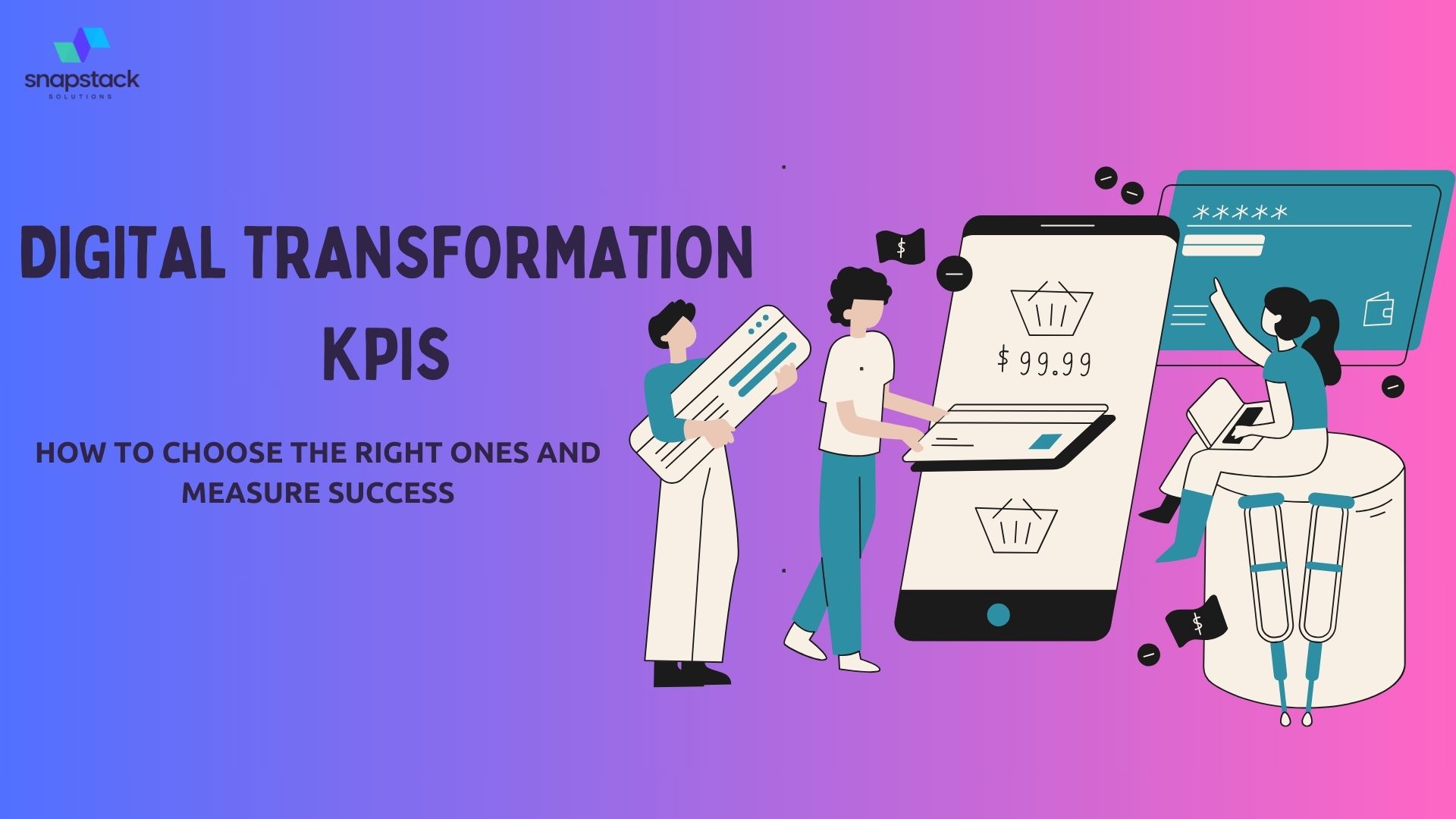
Digital Transformation KPIs & How To Pick The Right Ones for Your Initiatives
Digital Transformation Challenges: A Guide to Overcoming People, Technology & Leadership Hurdles

CNIL Recommendations for GDPR-Compliant AI Development

Body Leasing VS. Hiring Internally