
Ethical Hacking & Penetration Testing - Everything You Need To Know
The culture of hackers started in the 1960s and 1970s as an intellectual movement: “exploring the unknown, documenting the arcane, and doing what others cannot.”

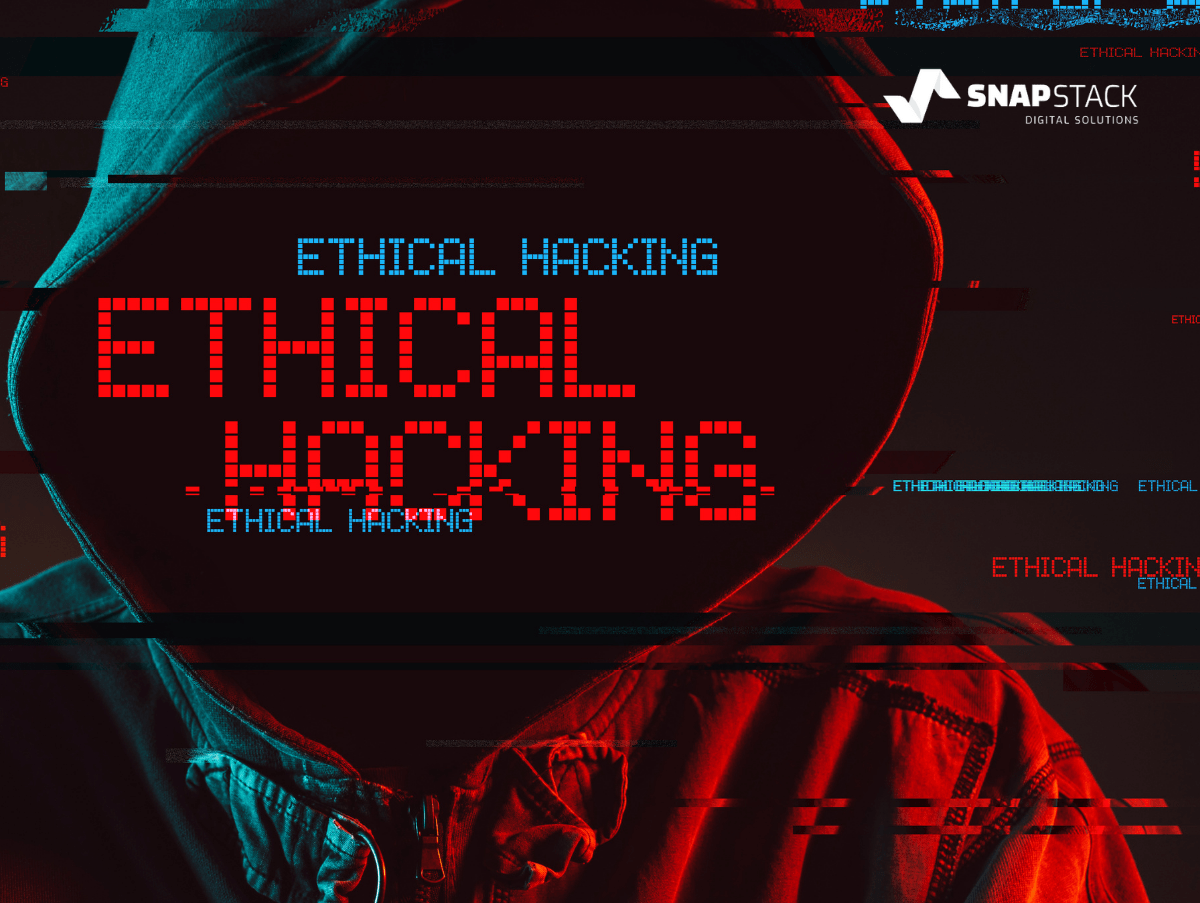
The culture of hackers started in the 1960s and 1970s as an intellectual movement: “exploring the unknown, documenting the arcane, and doing what others cannot.”
Ethical hacking is the act of legally breaking into systems, computers, and devices in order to test its defense. The main goal is to bypass the security system to identify possible data breaches and threats.
Contrary to the criminal hacking we know, this is absolutely authorized, planned, and most importantly, legal.
Nowadays, ethical hacking has become one of the most wanted jobs. Besides the working, you are enjoying the fun of getting into another computer, of course, without the fear of being arrested.
More and more companies are hiring ethical hackers so they can find the flaws on their web or system.
However, there is really nothing you could lose. If the hacking passes the defenses, the client is presented with it and has the chance to work on the issue and eventually fix it, as on the other hand, if the hack cannot be done it is even better because the system is deemed secure enough.
Most of the time, the ethical hackers are hired before a new system or a major update is going live. They execute the testing, search for weak spots, and take notes of everything they find.
Some of the flaws that the ethical hackers are usually checking are injection attacks, changes in the security settings, a revelation of confidential data, breach in authentication protocols, elements in the system that can possibly be used as access points.
Ethical hackers are usually people with a great knowledge of operating systems and computer networks technology. The knowledge of an ethical hacker is pretty much comparable with the one of the “criminal” hacker.
It is not a lie that now black hat hackers are turned into white hat hackers and using what they know to hack ethically.
You have probably heard that the hackers are divided into three particular groups, white hats, black hats, and grey hats.
The white hats, or the ethical hackers are aiding the clients in strengthening the defenses of their system by presenting the findings. Before entering your system, white hats always ask for permission.
A black hat hacker is mostly the person who is doing the same thing but illegally. These hackers exploit the computer system or the computer network without authorization or consent from anyone. Mostly, the black hat hackers are driven by their personal gains, and exposing the findings in the public is not their biggest interest.
The grey hackers are the ones that have the abilities to be good enough as both white and black hackers, hence, sometimes he can do the procedure legally, and sometimes illegally. They gain unauthorized access into the organization’s system for fun with the intent to highlight the weakness and exploit them for a bounty.
Also, here an there you can hear of the term suicide hackers, and the term is pretty self-explanatory, meaning they are not worried about the consequences of the hacking and their goal is to damage the organization whatsoever. They can also be called hacktivists.
The importance of ethical hacking can be seen through the prism of the bigger picture.
There is this type of hacking called state-sponsored hacking, meant to be used so that the governments can secure confidential information regarding enemy states, politics, and much more.
As the international conflicts are growing, it comes as no surprise that the threat of cyber-terrorism is here and terrorist groups are funding cybercriminals.
That’s why ethical hackers are here to mark the loopholes of the security, the access points, as well as other important things. Moreover, the ethical hackers also delegate strategies to protect the important data for the organizations and government agencies.
While we are at of cybersecurity, we want to remind you to check our previous blog article where we covered the topic by following the link here.
You might also have heard of the term penetration testing or pen-testing. Usually, people tend to mix up pen testing with ethical hacking. Even though they are not far from each other in terms of definition, there are still some key differences between these two.
In fact, penetration testing is a specific type of ethical hacking. That’s when the company reaches out to a certified professional to evaluate how strong the cybersecurity defenses are.
There are few types of penetration testing and those include: external network tests, internal network tests, web application tests, and wireless network tests.
On the opposite side of ethical hacking, penetration tests are mostly done at a specified time, for example, quarterly or any time the client is going live with new major updates.
To wrap it up, at different times, both ethical hacking and penetration testing will be needed at your organization, meaning they will both be the right solution as they are fulfilling certain cybersecurity goals.
The ethical hacking is more comprehensive and uses deeper evaluation and it gives the hacker the freedom to use whatever method they want, where on the other side, penetration testing mostly focuses on system weaknesses and is more limited.
At SnapStack Solutions, we have a rich experience with both penetration testing and ethical hacking. Should you consider such a service or you already know you need it, or simply you want to learn more, let us know we would be glad to help.
Read more

iOS 26 launch: what it means for technology and talent

Would you rather work with SwiftUI or UIKit?

Why Using Next.js Is the Best Way to Benefit from React?

Why Staying Current With Technology as Programmer is Essential?

Why Isn't Blockchain Getting The Attention It Deserves?

Why Every Serious Flutter App Needs a Root Screen

Which Is Better For 2022: Kotlin or Java?

What is Atomic Design System Methodology?

What are the Benefits of Using WPF?

What are NFTs and How May They Help Your Business Stay Relevant?

What Is a Self-Healing Software and What Are the Main Principles?

What Is Web3 Technology, How Does It Work, Benefits

What Is JavaScript: Pros, Cons & Use Cases

What Is Digital Transformation Strategy: Everything You Need To Know

What IT talents should highlight on CV

What Digital Transformation in Manufacturing Means for Your Business

What Are the Benefits of Using .NET for Game Development?
What Are Web3 Apps: How Are They Changing Our Daily Lives

What Are Smart Contracts and How Can They Transform Your Firm?
Web3 Technologies: Top Three Technologies Powering the Internet of Tomorrow
Web3 Benefits: How The New Internet Is Improving Our Lives

Web2 vs. Web3: How They Compare

Web 3.0 Benefits and Drawbacks
Transform Your Workflow with Human-AI Collaborations

Top Seven Machine Learning Applications in 2024
Top Five React Libraries of 2024 That Will Take Your Project to The Next Level
Top Five Blockchain Use Cases: Transforming Industries Beyond Cryptocurrency

Top 9 Data Warehousing Trends to Watch This Year

Top 5 Nearshoring Trends for 2021

Top 10 programming languages for 2025: What’s hot and why

Three Groundbreaking AI Trends Redefining the Future

The shift towards skills-based hiring: A new era of talent acquisition
.png)
Generative AI's game-changing potential for virtual meetings

The Ultimate Guide to 15+ Types of Digital Transformation Models: What They Are, Why You Need Them & How To Choose the Right One

The Top Trends in 2022 for Outsourcing Practices

The Top 5 Issues That New Programmers Face
The Role of Digital Transformation in Finance Industry Evolution

The Ins and Outs of AI In Strategic Planning: A Guide for Executives

The Four Principles of Object-Oriented Programming

The Benefits of Smart Contracts: A New Era of Trust and Transparency

The AI Surge in Tech Hiring and Recruiting

The A-Z of Digital Transformation in Banking Industry

Ten QA Testing Best Practices That Make All the Difference

TechBBQ 2024: SnapStack takes ‘One Giant Leap’ into the heart of innovation
Swift vs. Objective-C: Which is Better to Choose?

Streamline your recruitment efforts with RPO: The key to efficiency and cost-effectiveness

ServiceNow - What Is It and Why Do We Use It?

SW Development Challenges in 2022 and How to Solve Them
Real-World Examples of Blockchain in Action & The Benefits It Brings to Different Industries

ROI of Digital Transformation: A Step-by-Step Guide to Measuring & Maximizing Your Digital Investments

Quantum Computing: Current Status and Future Prospects
QA Testing: Definition, Importance, Types, Best Practices & Common Challenges

Python Trends to Watch for in 2022

Pros and Cons of Microsoft Azure

North Macedonia: Facts and Figures

Multimodal AI Models: The Latest Craze in the AI Domain

Most Popular Java Frameworks to Watch in 2023

Malware Types and How to Avoid Them

Main Advantages of ASP.NET for Web Applications in 2022

Let’s Meet and Talk: Where to Find Us in 2025
Key Digital Transformation Goals for Modern Businesses: Drive Customer Experience, Boost Productivity, and Achieve Market Domination

Keep an eye out for this technology in 2023

Is Rust the Future?

IoT in Retail: Why 70% of Retailers Are Considering IoT Adoption
IoT in Manufacturing: A $3.7 Trillion Economic Impact by 2025

IoT in Healthcare: What It Is, How It's Used, Its Importance & Vulnerabilities
IoT in Customer Service: The Future of Support
.png)
Innovation that protects workers

How To Set Digital Transformation Goals that Yield Results

How To Integrate AI for Financial Forecasting: The Ultimate Guide for CFOs

How To Develop a Digital Transformation Strategy: The Ultimate Guide

How To Accelerate Digital Transformation & Get the Best Results, Fast

How Is Blockchain Reshaping the Gaming Industry?

How IT Consulting Paves the Way for Digital Transformation
.png)
Gen Z Contractors in 2025: It's Not Just About the Perks

How Do Smart Contracts Work: Step-By-Step Explanation

How Digital Transformation in Retail is Shaping the Future of Shopping Experiences

How Did Python Become So Popular?
How Blockchain Is Revolutionizing Supply Chain Processes
How AI in Financial Forecasting Can Revolutionize CFO Decision-Making

How AI Is Redefining Recruiting Excellence: Insights from LinkedIn’s 2025 Report

Greenfield vs. Brownfield Software Development & Which One to Choose

Gen AI Integration: A Detailed Guide for CIOs and Business Leaders

Future Unlocked-The Role of Human Augmentation in our Lives

Flutter in 2022 - Pros and Cons

Five Applications of IoT That Will Convince You Of Its Potential to Change the Way Business Is Done

Finding the Right Resourcing Model for Your Business
Examples of Digital Transformation That Will Nudge You to Start Transforming Your Business

Everything You Need to Know About Embedded Solutions

Emerging Technologies to Watch in 2023

Emerging IoT Trends in 2023

Digital Transformation in Healthcare: Why You Should Get On Board

Digital Transformation Trends in Retail That Are Upping the Game
Digital Transformation KPIs & How To Pick The Right Ones for Your Initiatives
Digital Transformation Challenges: A Guide to Overcoming People, Technology & Leadership Hurdles

CNIL Recommendations for GDPR-Compliant AI Development

Body Leasing VS. Hiring Internally

Blockchain in Finance: How Blockchain is Disrupting the Financial Status Quo
