
Generative AI's game-changing potential for virtual meetings
How Generative AI is reshaping virtual meetings in 2025: live action items, personalized transcripts, smarter language understanding and immersive collaboration.

.png)
The Game-Changing Potential of Generative AI in Revolutionizing Virtual Meetings
In today’s fast-evolving business environment, the role of technology in shaping how we connect and collaborate has never been more critical. Among the innovations leading this transformation, Generative AI has rapidly matured from a promising experiment into a practical force reshaping virtual meetings. With the latest advances in AI assistants, multimodal capabilities, and enterprise-grade integrations, Generative AI is no longer a vision of the future—it is actively redefining how organizations plan, conduct, and follow up on virtual interactions.
Efficiency at Scale
One of the most tangible benefits of Generative AI in 2025 is the acceleration of meeting efficiency. Beyond automated agenda creation and real-time transcription, modern AI platforms now deliver live action items, decision tracking, and context-aware knowledge retrieval. Teams can instantly surface relevant documents, past discussions, or market data during a call, cutting down preparation time and enabling smarter decision-making on the spot. By handling the administrative load, AI empowers participants to focus fully on strategic conversations.
Personalized, Human-Centric Experiences
Meetings are no longer one-size-fits-all. Generative AI now adapts to each participant’s role, preferences, and communication style. Personalized dashboards, translated transcripts in native languages, and adaptive visuals allow everyone—from executives to engineers—to consume content in the most effective way. This personalization increases inclusivity, particularly for global teams where cultural and linguistic differences can hinder collaboration.
Smarter Conversations Through Language Understanding
Advanced Natural Language Understanding (NLU) and emotion recognition enable AI to capture not just the words but also the tone, sentiment, and intent behind them. This helps prevent miscommunication, flags unresolved issues, and even suggests clarifications in real time. By strengthening comprehension and empathy, Generative AI elevates the quality of virtual discussions and fosters stronger relationships across distributed teams.
Immersive and Visual Collaboration
Virtual meetings are no longer confined to flat video grids. AI-generated backgrounds, avatars, and even 3D collaborative workspaces provide a stronger sense of presence and engagement. In industries such as design, engineering, or education, Generative AI now supports interactive prototypes, dynamic visualizations, and scenario simulations inside the meeting itself, turning routine calls into productive collaboration hubs.
Ethics, Privacy, and Responsible AI
As adoption grows, so does the need for responsibility. Enterprises are setting strict frameworks around data security, bias mitigation, and consent in AI-powered meeting tools. Regulatory discussions across regions (EU AI Act, U.S. AI executive orders) underline the importance of transparency and accountability. Striking a balance between innovation and trust is now a non-negotiable element of successful AI adoption.
Looking Ahead
Generative AI is no longer an optional enhancement—it is becoming the standard for digital collaboration. Organizations that embrace it strategically are not just improving productivity today but also building the foundation for the future of work, where human creativity and machine intelligence operate side by side. The next phase will bring deeper integration with enterprise systems, predictive decision support, and seamless blending of physical and virtual meeting spaces.
In essence, Generative AI is revolutionizing virtual meetings by making them more efficient, inclusive, and engaging, while reinforcing trust and responsibility. Businesses that harness its potential will be better positioned to thrive in a world where collaboration is borderless, fast-paced, and innovation-driven.
Read more

iOS 26 launch: what it means for technology and talent

Would you rather work with SwiftUI or UIKit?
Why Using Next.js Is the Best Way to Benefit from React?

Why Staying Current With Technology as Programmer is Essential?

Why Isn't Blockchain Getting The Attention It Deserves?

Why Every Serious Flutter App Needs a Root Screen

Which Is Better For 2022: Kotlin or Java?

What is Atomic Design System Methodology?

What are the Benefits of Using WPF?

What are NFTs and How May They Help Your Business Stay Relevant?

What Is a Self-Healing Software and What Are the Main Principles?
What Is Web3 Technology, How Does It Work, Benefits

What Is JavaScript: Pros, Cons & Use Cases

What Is Digital Transformation Strategy: Everything You Need To Know

What IT talents should highlight on CV

What Digital Transformation in Manufacturing Means for Your Business

What Are the Benefits of Using .NET for Game Development?
What Are Web3 Apps: How Are They Changing Our Daily Lives

What Are Smart Contracts and How Can They Transform Your Firm?
Web3 Technologies: Top Three Technologies Powering the Internet of Tomorrow
Web3 Benefits: How The New Internet Is Improving Our Lives

Web2 vs. Web3: How They Compare
Web 3.0 Benefits and Drawbacks
Transform Your Workflow with Human-AI Collaborations

Top Seven Machine Learning Applications in 2024
Top Five React Libraries of 2024 That Will Take Your Project to The Next Level
Top Five Blockchain Use Cases: Transforming Industries Beyond Cryptocurrency

Top 9 Data Warehousing Trends to Watch This Year

Top 5 Nearshoring Trends for 2021

Top 10 programming languages for 2025: What’s hot and why

Three Groundbreaking AI Trends Redefining the Future

The shift towards skills-based hiring: A new era of talent acquisition

The Ultimate Guide to 15+ Types of Digital Transformation Models: What They Are, Why You Need Them & How To Choose the Right One

The Top Trends in 2022 for Outsourcing Practices

The Top 5 Issues That New Programmers Face
The Role of Digital Transformation in Finance Industry Evolution
The Ins and Outs of AI In Strategic Planning: A Guide for Executives

The Four Principles of Object-Oriented Programming

The Benefits of Smart Contracts: A New Era of Trust and Transparency

The AI Surge in Tech Hiring and Recruiting

The A-Z of Digital Transformation in Banking Industry

Ten QA Testing Best Practices That Make All the Difference
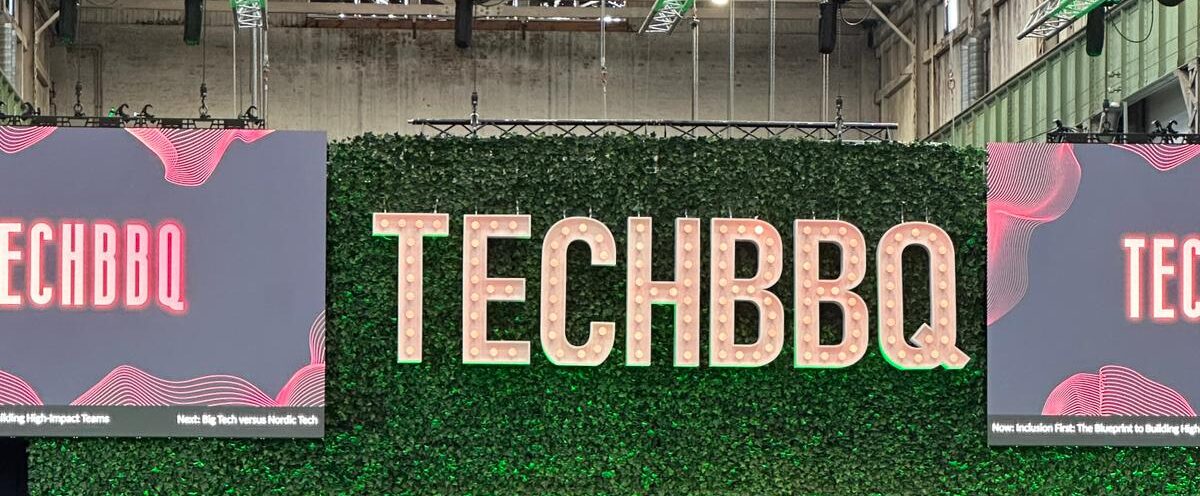
TechBBQ 2024: SnapStack takes ‘One Giant Leap’ into the heart of innovation
Swift vs. Objective-C: Which is Better to Choose?

Streamline your recruitment efforts with RPO: The key to efficiency and cost-effectiveness

ServiceNow - What Is It and Why Do We Use It?

SW Development Challenges in 2022 and How to Solve Them
Real-World Examples of Blockchain in Action & The Benefits It Brings to Different Industries

ROI of Digital Transformation: A Step-by-Step Guide to Measuring & Maximizing Your Digital Investments

Quantum Computing: Current Status and Future Prospects
QA Testing: Definition, Importance, Types, Best Practices & Common Challenges

Python Trends to Watch for in 2022

Pros and Cons of Microsoft Azure

North Macedonia: Facts and Figures

Multimodal AI Models: The Latest Craze in the AI Domain

Most Popular Java Frameworks to Watch in 2023

Malware Types and How to Avoid Them

Main Advantages of ASP.NET for Web Applications in 2022

Let’s Meet and Talk: Where to Find Us in 2025
Key Digital Transformation Goals for Modern Businesses: Drive Customer Experience, Boost Productivity, and Achieve Market Domination

Keep an eye out for this technology in 2023
Is Rust the Future?

IoT in Retail: Why 70% of Retailers Are Considering IoT Adoption
IoT in Manufacturing: A $3.7 Trillion Economic Impact by 2025

IoT in Healthcare: What It Is, How It's Used, Its Importance & Vulnerabilities
IoT in Customer Service: The Future of Support
.png)
Innovation that protects workers

How To Set Digital Transformation Goals that Yield Results

How To Integrate AI for Financial Forecasting: The Ultimate Guide for CFOs
How To Develop a Digital Transformation Strategy: The Ultimate Guide

How To Accelerate Digital Transformation & Get the Best Results, Fast

How Is Blockchain Reshaping the Gaming Industry?

How IT Consulting Paves the Way for Digital Transformation
.png)
Gen Z Contractors in 2025: It's Not Just About the Perks

How Do Smart Contracts Work: Step-By-Step Explanation

How Digital Transformation in Retail is Shaping the Future of Shopping Experiences

How Did Python Become So Popular?
How Blockchain Is Revolutionizing Supply Chain Processes
How AI in Financial Forecasting Can Revolutionize CFO Decision-Making
How AI Is Redefining Recruiting Excellence: Insights from LinkedIn’s 2025 Report

Greenfield vs. Brownfield Software Development & Which One to Choose

Gen AI Integration: A Detailed Guide for CIOs and Business Leaders
Future Unlocked-The Role of Human Augmentation in our Lives
Flutter in 2022 - Pros and Cons

Five Applications of IoT That Will Convince You Of Its Potential to Change the Way Business Is Done

Finding the Right Resourcing Model for Your Business
Examples of Digital Transformation That Will Nudge You to Start Transforming Your Business

Everything You Need to Know About Embedded Solutions

Ethical Hacking & Penetration Testing - Everything You Need To Know

Emerging Technologies to Watch in 2023

Emerging IoT Trends in 2023

Digital Transformation in Healthcare: Why You Should Get On Board

Digital Transformation Trends in Retail That Are Upping the Game
Digital Transformation KPIs & How To Pick The Right Ones for Your Initiatives
Digital Transformation Challenges: A Guide to Overcoming People, Technology & Leadership Hurdles

CNIL Recommendations for GDPR-Compliant AI Development

Body Leasing VS. Hiring Internally

Blockchain in Finance: How Blockchain is Disrupting the Financial Status Quo
